Fulham Broadway carpet cleaning guide for SW6 homes
If you live near Fulham Broadway, you already know how quickly carpets can pick up the rhythm of daily life: muddy shoes after a wet commute, biscuit crumbs under the sofa, a faint kitchen smell drifting across the landing, and that one stubborn mark nobody wants to admit to making. This Fulham Broadway carpet cleaning guide for SW6 homes is here to help you sort the lot without overcomplicating it. Whether you are refreshing a family flat, tidying a rental before a move, or trying to bring a well-loved hallway runner back to life, the right approach makes a real difference.
To be fair, carpet cleaning sounds simple until you stand in front of a room and realise different fibres, stains, drying times, and room layouts all matter. That is where a practical guide helps. Below, you will find a clear explanation of how carpet cleaning works, when it is worth doing, what to avoid, and how to decide between DIY maintenance and a professional clean. If you need deeper service detail while reading, you can also explore the main carpet cleaning service page or, for harder-wearing fibres and busy homes, the dedicated steam carpet cleaning option.
Table of Contents
- Why Fulham Broadway carpet cleaning guide for SW6 homes matters
- How Fulham Broadway carpet cleaning guide for SW6 homes works
- Key benefits and practical advantages
- Who this is for and when it makes sense
- Step-by-step guidance
- Expert tips for better results
- Common mistakes to avoid
- Tools, resources and recommendations
- Law, compliance, standards, or best practice
- Options, methods, or comparison table
- Case study or real-world example
- Practical checklist
- Conclusion
- Frequently Asked Questions
Why Fulham Broadway carpet cleaning guide for SW6 homes Matters
Carpets do more than soften a room. In SW6 homes, they also act like a diary of everyday life. They hold on to dust, grit, pollen, pet hair, and the occasional spill from tea, wine, or a hastily balanced dinner tray. Near Fulham Broadway, where homes can be compact, busy, and full of foot traffic, that build-up happens faster than many people expect.
Why does that matter? Because a carpet that looks merely "a bit tired" can, over time, become harder to freshen, harder to deodorise, and more likely to trap dirt deep in the pile. That dirt then acts like sandpaper underfoot. You do not always see it straight away, but you may notice the carpet flattening, looking dull, or holding on to smells after rain-heavy weeks. Little by little, the room feels less clean even when the surface has been vacuumed.
There is also the local living pattern to think about. SW6 homes often juggle school runs, commuting, visitors, pets, and a lot of in-and-out movement. Hallways and living rooms take the brunt of that. If you rent, a clean carpet helps with presentation at check-out. If you own your place, it is one of those maintenance jobs that quietly protects the value and comfort of the home. Nothing glamorous, admittedly. But it matters.
Expert summary: regular carpet care is not just about appearance. It supports hygiene, reduces wear, helps manage odours, and makes a home feel calmer and better kept. A sensible cleaning routine is one of the easiest ways to keep a Fulham property looking cared for without endlessly replacing flooring.
If your carpets are part of a broader refresh, it may also be worth looking at upholstery cleaning for sofas and chairs, and rug cleaning if you have layered textiles that collect dust in the same way.
How Fulham Broadway carpet cleaning guide for SW6 homes Works
At its simplest, carpet cleaning is about removing what vacuuming leaves behind. A good clean lifts embedded soil, loosens oily residue, removes spots, and flushes away the fine particles that sit near the base of the fibres. The exact method depends on the carpet material, the type of stain, and how much moisture the carpet can safely handle.
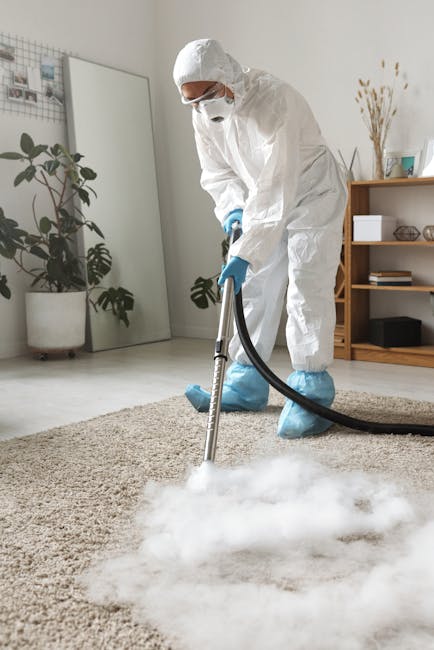
Most professional-style cleaning follows a few familiar stages. First, the carpet is inspected. Then loose soil is removed with thorough vacuuming. Problem areas are treated with suitable stain products. After that comes the main cleaning method, which may be hot water extraction, steam-based cleaning, or another low-moisture process depending on the carpet and the condition of the room. The job finishes with grooming, airflow, and drying guidance.
It sounds straightforward, but the detail matters. A wool carpet in a Victorian conversion will not always behave like a synthetic carpet in a modern flat. A hallway runner with tracked-in soil needs a different approach from a bedroom carpet with a few cosmetic marks. That is why the best results usually come from treating the carpet in front of you, not just the "type" of room.
Professional cleaners also pay attention to practical constraints that householders sometimes overlook: access, drying time, furniture movement, and how to avoid over-wetting. In a narrow Fulham terrace or a top-floor flat with limited ventilation, those little things can make the difference between a clean result and a damp, frustrating one.
If you are comparing methods, the main carpet cleaning service page explains the core service approach, while stain removal can help when a single mark is the main concern rather than a whole-room clean.
Key Benefits and Practical Advantages
A proper carpet clean does more than make a room look lighter. The benefits tend to show up in small, practical ways over the following days and weeks. You may notice the room smells fresher in the morning. You may feel the carpet underfoot is softer again. You may also find that vacuuming becomes easier because the fibres are no longer holding as much grit.
- Better appearance: colours look more even, pile looks revived, and flattened paths are less obvious.
- Improved day-to-day freshness: spills, pet odours, and general household smells are reduced.
- Longer carpet life: removing grit helps reduce fibre wear over time.
- Better comfort: clean carpet feels more pleasant in living spaces and bedrooms.
- Stronger first impression: useful for landlords, tenants, sellers, and anyone welcoming guests.
- More effective housekeeping: once the carpet is reset, routine vacuuming tends to work better.
There is also a less obvious benefit: people often feel more relaxed in a room when the floor is genuinely clean. A tidy carpet takes visual noise out of the space. That can sound a bit abstract, but if you have ever walked into a freshly cleaned living room on a grey London afternoon, you will know the feeling. It lifts the whole place.
For homes where spills and wear are a constant issue, combining carpet care with pet stain and odour removal can be especially useful. Pets are lovely. Their little "accidents," not so much.
Who This Is For and When It Makes Sense
This guide is useful if you are in almost any SW6 household, but a few situations make carpet cleaning especially sensible.
Families with children: crayons, drinks, food crumbs, and endless foot traffic can age a carpet faster than expected. A scheduled clean can stop the room from feeling permanently worn-in.
Pet owners: dog fur, pet dander, and the odd smell in cooler weather can all settle into the pile. If this is familiar, you already know it is not just about visible marks.
Renters and landlords: end-of-tenancy cleaning often needs the carpet to look presentable and smell neutral. Not perfect, just decent and honest. That usually means a thorough clean rather than a quick vacuum.
Homeowners preparing for sale: a fresh carpet helps a property feel cared for in photos and viewings. It is one of those quiet improvements that buyers notice without necessarily naming it.
People with allergies or dust sensitivity: while carpet cleaning is not a medical fix, reducing built-up dust and debris can make rooms feel easier to live in.
Anyone with traffic lanes or dull patches: hallways, stairs, and living-room walkways often need attention long before the rest of the home.
When does it make sense to act? Usually when you can see the carpet looking tired, when vacuuming no longer restores the look, or when a spill has gone beyond a surface mark. If you wait until the damage feels dramatic, cleaning can still help, but you may have fewer options. Better to act a bit earlier if you can.
Step-by-Step Guidance
Here is a practical way to approach carpet cleaning in a Fulham Broadway home without making the process messy or stressful.
- Identify the carpet type. Wool, nylon, polypropylene, and blended fibres all react differently to moisture and cleaning products. If you are unsure, be cautious.
- Check for hidden issues. Look for loose seams, bleaching, fraying, or previous repairs. A clean can expose a weak spot, so it is better to know first.
- Vacuum thoroughly. Go slowly, especially along skirting boards, under radiators if possible, and in the edges where grit collects.
- Spot-test any product. Use a small hidden area before treating a larger stain. That tiny step saves a lot of regret.
- Treat spots before the full clean. Fresh stains often respond better than old, set marks. Work gently and blot, do not scrub.
- Choose the right method. Heavily soiled carpets often benefit from a deeper wash, while delicate fibres may need a lower-moisture approach.
- Control moisture. Over-wetting is a common mistake. It can lead to long drying times, wicking, or musty smells.
- Allow proper drying. Open windows where practical, use airflow, and keep foot traffic low until the carpet is dry.
- Finish with a check. Look at high-traffic areas again once dry, because some marks only show up after the fibres settle.
If the stain is stubborn or oily, a dedicated treatment may help more than trying the same spot twice. In those cases, targeted stain removal is often the better first move.
A small but useful habit: photograph the room before you start. It gives you a clean comparison point later, and if you are the sort of person who thinks "it looked better before" after every home project, this helps keep everyone honest.
Expert Tips for Better Results
Good carpet care is often about restraint rather than force. The less dramatic approach usually wins.
1. Deal with spills quickly, but carefully. Blot the spill from the outside in. Rubbing spreads the stain and pushes it deeper.
2. Use the right amount of product. More cleaner does not mean more clean. In fact, residue can attract dirt later and make the carpet look dull again sooner.
3. Give attention to edges and stairs. These areas gather the most dirt because they are easy to miss during routine vacuuming.
4. Consider the weather. On a damp London day, drying can take longer than expected. If the flat feels humid, build in extra time.
5. Keep an eye on furniture legs. Place protection under heavy items if the carpet is still damp, otherwise you can leave marks. It happens fast.
6. Think beyond the carpet. Curtains, sofas, and mattresses contribute to room freshness too. If a room still smells tired after the carpet is cleaned, the rest of the soft furnishings may be part of the story.
That is where combining services can make sense. A room refresh might include sofa cleaning, curtain cleaning, or even mattress cleaning if bedrooms are also due a reset. Not every home needs the full set, of course, but sometimes one clean exposes another area that is quietly carrying the smell of the room.
7. Choose trust over speed. A quick result is attractive, but a careful result is what lasts. If a cleaner or method seems rushed, ask questions. Good providers should be happy to explain the process in plain English.
Common Mistakes to Avoid
A lot of carpet problems come from trying to "fix" them too aggressively. A few common mistakes are worth calling out because they can make a good carpet look worse.
- Scrubbing stains hard: this frays fibres and spreads the mark.
- Using random household cleaners: some products bleach, some leave residue, and some simply set the stain.
- Over-wetting the pile: too much moisture can create long drying times and repeat staining from beneath the surface.
- Ignoring the backing: a carpet can look dry on top while still being damp underneath. Sneaky little thing.
- Skipping vacuuming before wet cleaning: loose debris turns into slurry and makes the job harder.
- Not testing products first: especially important on wool and light-coloured carpets.
- Leaving furniture in place too soon: pressure marks are annoying and avoidable.
There is also a timing mistake people make: waiting until a stain is ancient and fully set before seeking help. Some marks are stubborn from the start, but others become stubborn because they are left too long. Truth be told, that is often the difference.
If you have a one-off spill that is bothering you, it may be more efficient to handle the patch first and then clean the room later. That is often the calm, sensible route.
Tools, Resources and Recommendations
You do not need a cupboard full of gadgets to keep carpets in shape. A sensible kit, used consistently, will do more than expensive but occasional effort.
- Quality vacuum cleaner: especially one with decent suction and an attachment for edges and stairs.
- Microfibre cloths: useful for blotting small spills without pushing them around.
- Plain white towels: handy for absorbing moisture during spot treatment.
- Soft-bristle brush: useful for grooming pile gently after a clean.
- Appropriate spot treatment: selected for the carpet fibre and stain type, not just whatever is nearest under the sink.
- Airflow support: open windows where possible, use fans if needed, and avoid trapping moisture in the room.
If you are comparing service information, the pricing and quotes page is useful for understanding how jobs are usually assessed, while payment and security is worth a look if you want reassurance about how transactions are handled. For many people, trust is not a side issue. It is the whole point.
For broader company details, there is also an about us page that can help you understand who is behind the service, along with a clear contact us route if you want to ask a practical question before booking.
Law, Compliance, Standards, or Best Practice
Carpet cleaning in a home setting is not heavily regulated in the way some specialist trades are, but that does not mean standards do not matter. In practice, the important issues are safety, honesty, and care for the property.
Good providers should use sensible working practices, protect surfaces, and avoid exposing occupants to unnecessary risk. If furniture needs moving, if chemicals are used, or if wet floors create a slip hazard, those issues should be handled properly. In a shared building or block in SW6, that becomes even more important because stairwells, entrances, and communal routes can be affected.
It is also reasonable to expect a provider to be transparent about what the service covers, what may affect drying time, and what kind of results are realistic. No one should promise miracles on a carpet that has been neglected for years. Careful wording is a good sign, actually. It shows they understand the limits as well as the possibilities.
For reassurance on operational standards, it is sensible to review pages such as health and safety policy, insurance and safety, and terms and conditions. Those pages help set expectations around responsibility, access, and service boundaries. If you care about environmental handling too, the recycling and sustainability page may be relevant as well.
For customers who want to understand complaint handling or site accessibility, it is reassuring to have formal information available. That is one of those dull-but-important trust signals that tends to matter more after a problem than before it.
Options, Methods, or Comparison Table
Not every carpet needs the same treatment. Here is a simple comparison to help you judge the usual options.
| Method | Best for | Strengths | Things to watch |
|---|---|---|---|
| Regular vacuuming | Weekly maintenance | Removes loose dust and grit, quick to do | Does not lift deep soil or stains |
| Spot cleaning | Fresh spills and isolated marks | Fast, targeted, low disruption | Easy to over-treat or spread a stain |
| Hot water extraction | General deep cleaning | Good for lifting embedded dirt and refreshing larger areas | Needs careful drying and the right carpet type |
| Steam-based cleaning | Durable carpets and heavy traffic areas | Strong deep-clean effect, good for busy homes | Not ideal for every fibre or every room layout |
| Low-moisture cleaning | Delicate carpets or limited drying time | Quicker turnaround, less water in the room | May be less aggressive on old, deep soiling |
The right choice depends on the carpet, the room, and what you want fixed. A hallway with tracked-in dirt needs something different from a bedroom with a light refresh. If you are unsure, ask for the method to be explained plainly before agreeing to anything. You should come away understanding the process, not just nodding politely and hoping for the best.
Case Study or Real-World Example
Here is a realistic Fulham Broadway-style scenario. A two-bedroom SW6 flat has one shared hallway, a living room, and both bedrooms carpeted. The hallway has darkened by the front door, the living room has a faded drink mark near the armchair, and one bedroom has a faint smell from a pet bed that was kept there during winter. Nothing dramatic. Just the kind of everyday wear that slowly chips away at how the place feels.
The owner starts with a thorough vacuum, then treats the drink mark and checks the hallway for loose dirt trapped near the edges. They decide the pet smell is not coming from the carpet alone, so they pair the clean with a broader soft-furnishings refresh. After cleaning, the carpet dries with windows open for a few hours and traffic kept light until the next morning.
The useful part of this example is not that the result was magical. It is that the right sequence made the job easier: inspect, clean, dry, then reassess. That is usually how good carpet care works. One room at a time. Calmly.
If the flat had also contained a worn wool rug or a sofa that had absorbed the same smell, adding sofa cleaning or rug cleaning would have made sense too. Sometimes the room is telling you more than one thing at once.
Practical Checklist
Use this quick checklist before and after your carpet clean.
- Vacuum the area slowly and thoroughly.
- Check the fibre type if you know it.
- Test any treatment in a hidden spot first.
- Deal with stains before general cleaning.
- Keep moisture under control.
- Open windows or improve airflow where practical.
- Protect furniture legs and heavy items.
- Avoid walking on damp carpet more than necessary.
- Inspect the carpet once dry for any remaining marks.
- Book a professional clean when the carpet no longer responds to routine care.
Quick reminder: if the carpet is older, fragile, or already damaged, less force usually gives a better outcome. Gentle and careful beats "let's see what happens" every time. Usually.
Get a free quote today and see how much you can save.
Conclusion
A good carpet cleaning routine is one of the simplest ways to keep a Fulham Broadway home feeling fresh, tidy, and comfortable. The job is not only about removing visible marks. It is about restoring the room's atmosphere, slowing wear, and making everyday life feel a little easier. In a busy SW6 household, that is no small thing.
The best results come from matching the method to the carpet, acting before stains settle, and avoiding rushed or over-wet cleaning. If you take away one thing from this guide, let it be this: careful carpet care always beats hurried carpet care. Every time.
When you are ready to move beyond routine vacuuming and want a proper refresh, start with the service information that fits your home best, ask clear questions, and choose the option that feels safe, sensible, and honest. That is the kind of decision you rarely regret.
Frequently Asked Questions
How often should carpets in Fulham Broadway homes be professionally cleaned?
It depends on how busy the home is, but many households benefit from a deeper clean every so often rather than waiting until the carpet looks visibly tired. Homes with children, pets, or heavy hallway traffic often need attention sooner.
Is steam cleaning safe for all carpets?
No, not always. Steam-based methods can work well on many durable carpets, but delicate fibres, older flooring, or carpets with previous damage may need a gentler approach. A proper inspection matters more than picking a method by name alone.
What is the biggest mistake people make when cleaning carpet at home?
Over-wetting and scrubbing too hard are probably the two most common mistakes. Both can spread the stain, damage the fibres, or leave the carpet damp for too long.
Can carpet cleaning remove pet smells completely?
It can reduce them significantly, especially when the odour is held in the fibres or backing. But if the smell has reached the underlay or there is an ongoing pet issue, carpet cleaning may need to be paired with targeted odour treatment.
How long does a carpet take to dry after cleaning?
Drying time varies depending on the method used, ventilation, carpet thickness, and the weather. In London flats, drying can take longer than people expect, especially in cooler or more humid conditions.
Should I move the furniture before a carpet clean?
If you can safely move light items, that helps. Heavy furniture is usually handled with care as part of the process, but it is worth discussing beforehand so there are no surprises.
Is carpet cleaning worth it for rental properties in SW6?
Yes, very often. Clean carpets can help a property present better, feel fresher, and avoid avoidable disputes at the end of a tenancy. It is one of the quieter but more practical maintenance jobs.
What should I do before a professional carpet clean?
Vacuum the area, clear small items, point out stains or fragile spots, and mention any previous cleaning products that were used. A few minutes of prep can improve the result.
Can all stains be removed from carpet?
Not realistically, no. Some stains are permanent, some are improved dramatically, and some depend on how quickly they were treated. A careful cleaner should be honest about what is likely and what is not.
Does carpet cleaning help with allergies?
It can help reduce dust, debris, and allergens trapped in the pile, which may make rooms feel easier to live in. It is not a medical treatment, but it can support a cleaner indoor environment.
How do I choose between DIY cleaning and hiring help?
DIY can be fine for light spills or routine upkeep. If the carpet is heavily soiled, expensive, delicate, or affected by deeper odours, professional help usually gives a safer and more consistent result.
Where can I find more service details or book a visit?
You can review the main carpet cleaning page, check the pricing and quotes information, and then use the contact us page if you want to ask something specific before moving ahead.